

Description
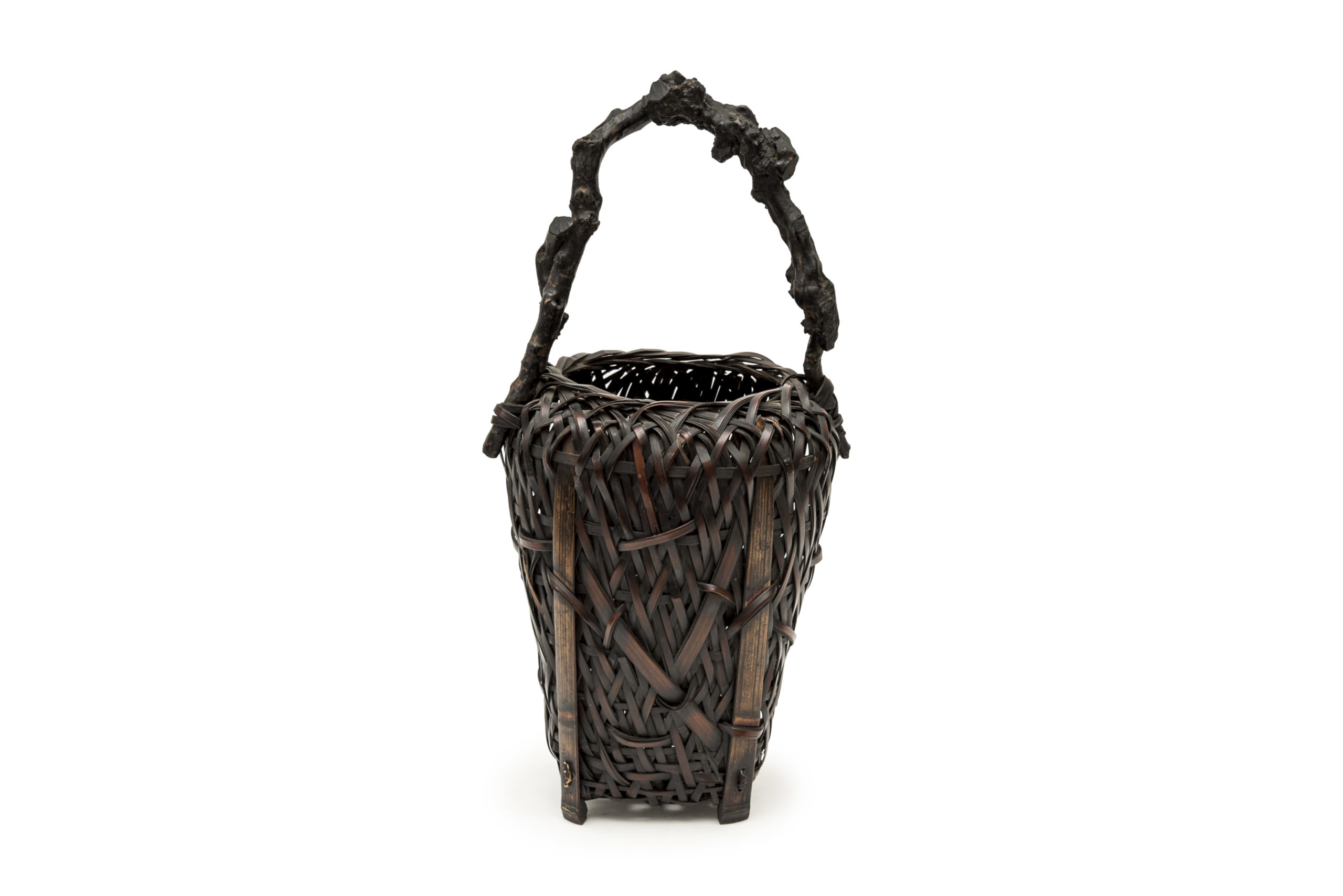
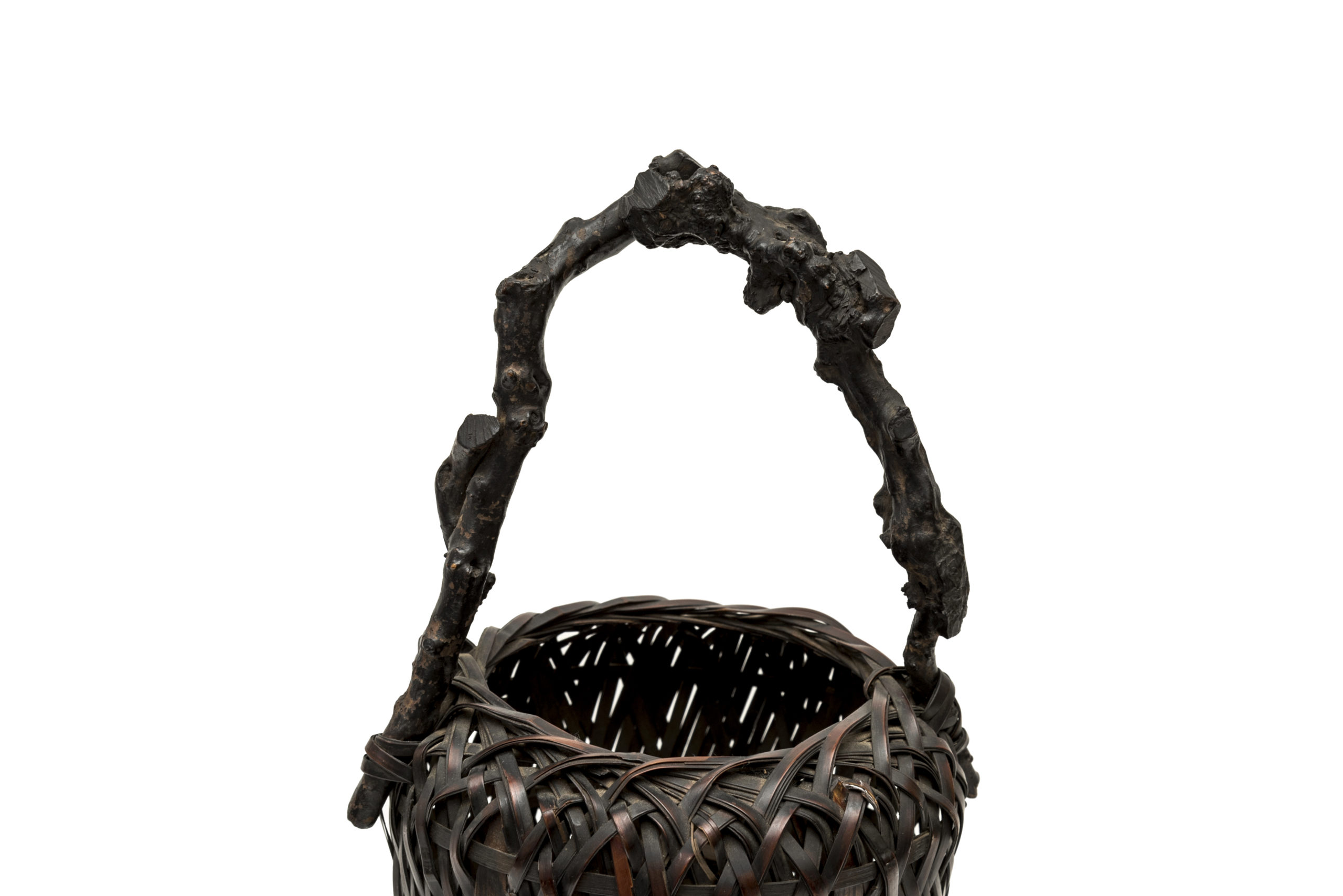
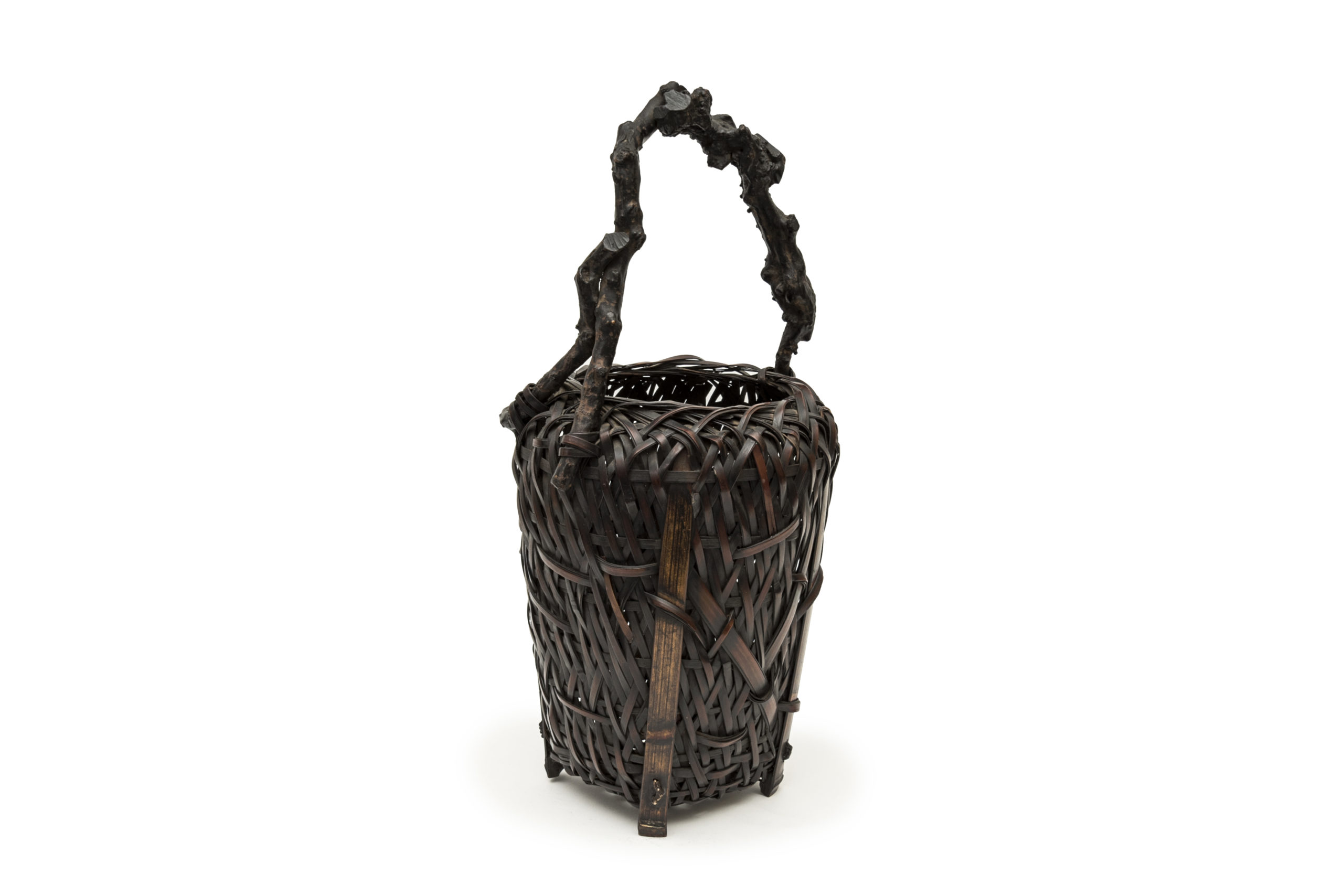
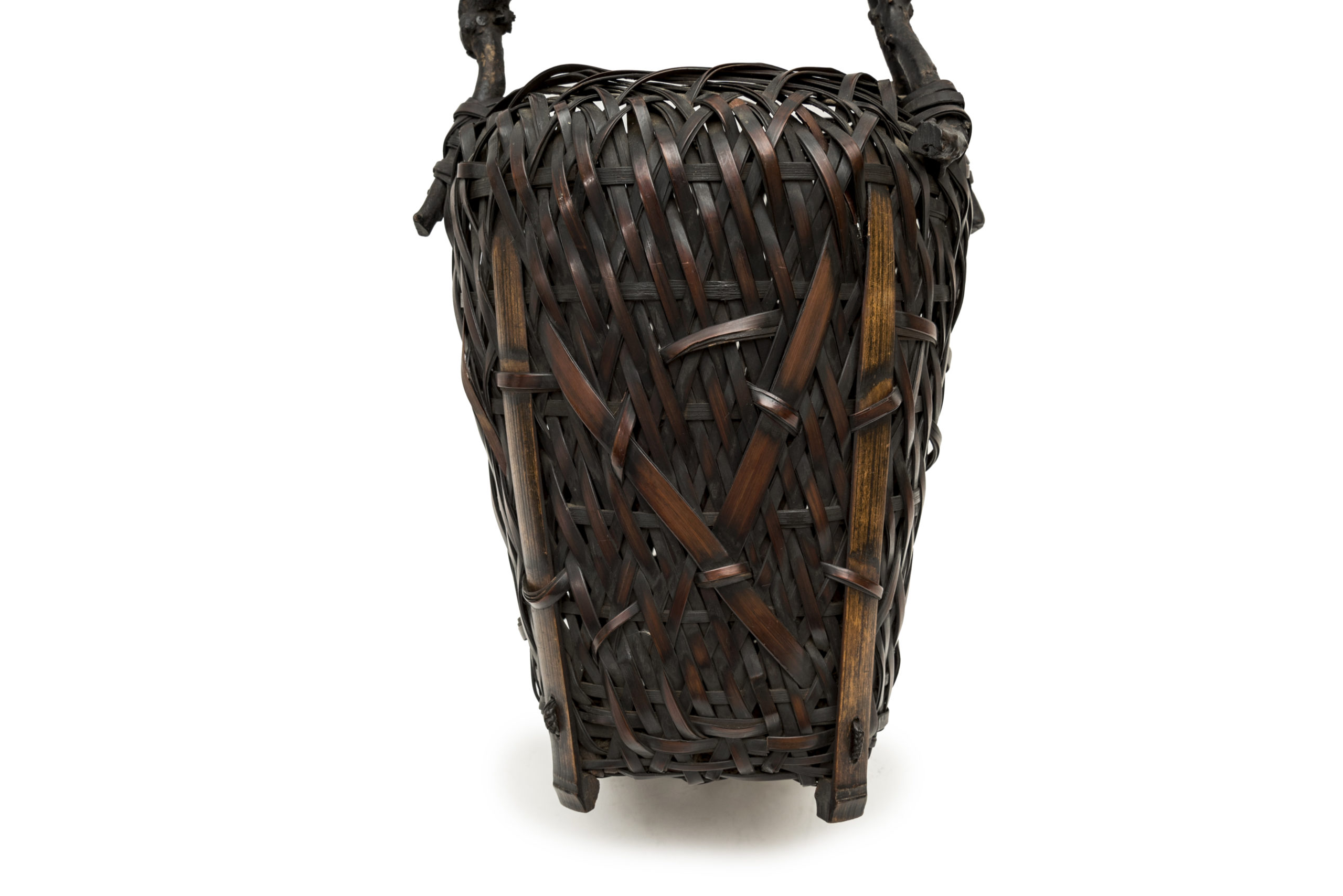
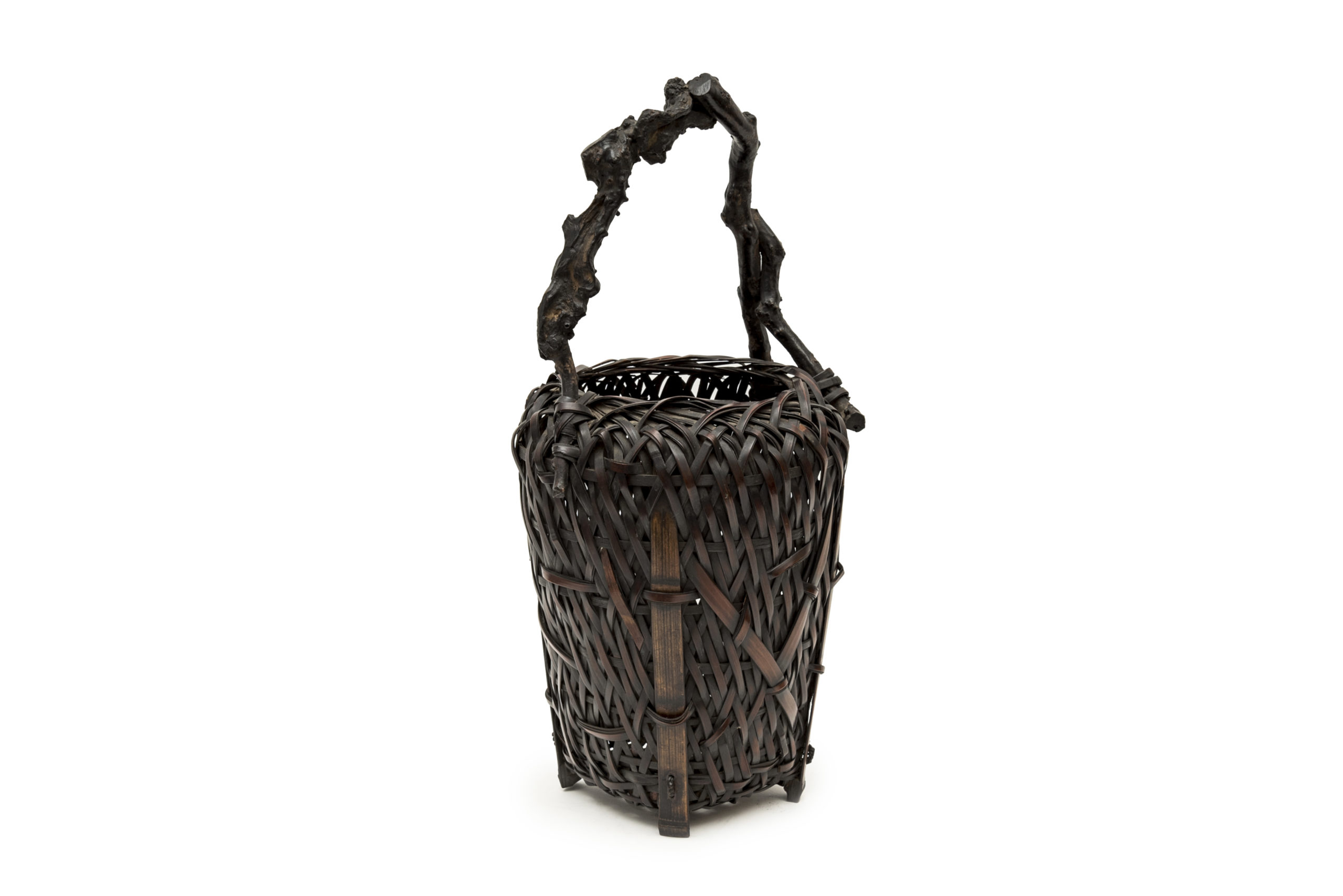
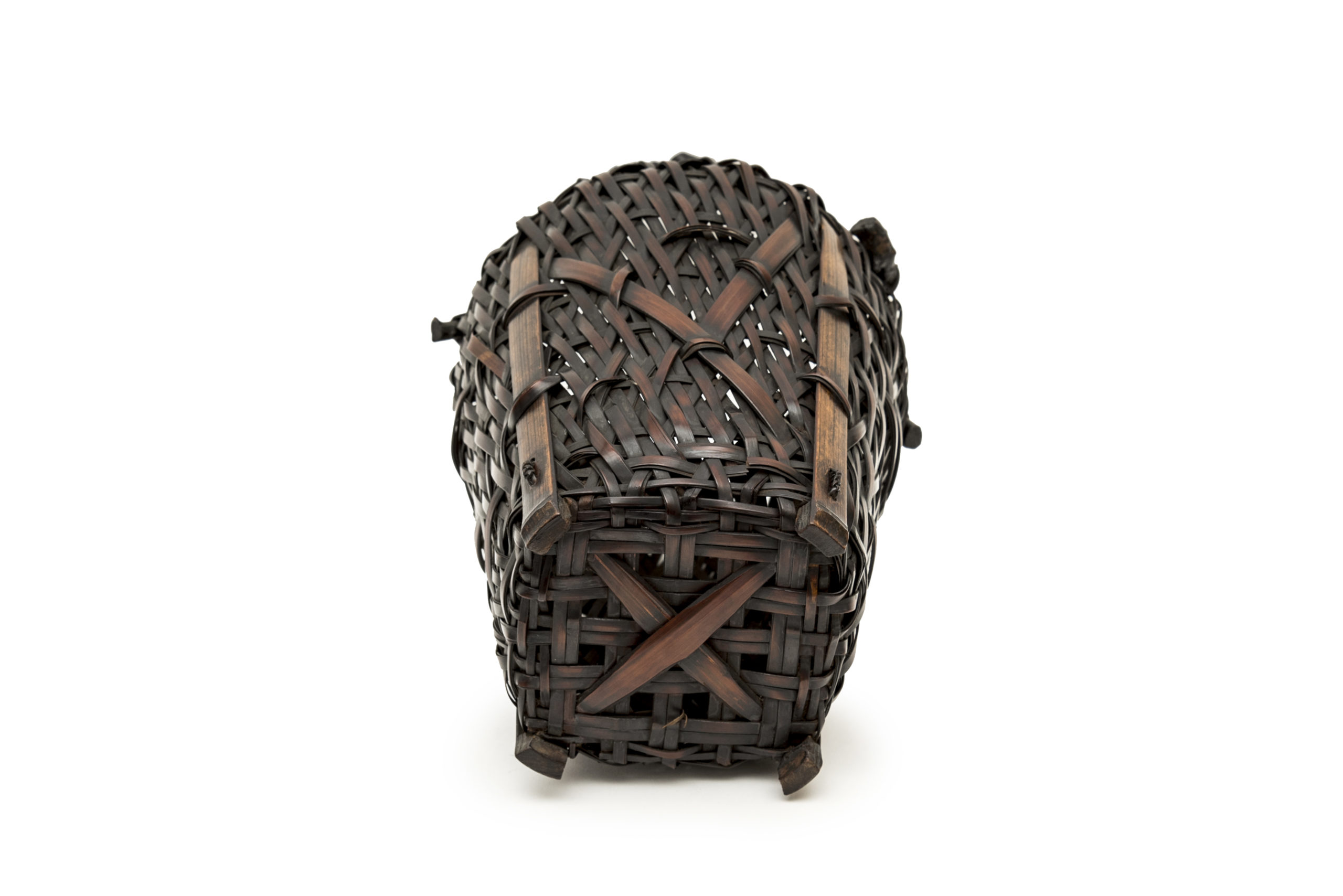
La rugosité de la anse rappelle le bois brut et contraste avec le délicat travaille de tressage du panier.
L’ikebana ou Ka-do (la voie des fleurs) est un art traditionnel japonais de composition florale. Contrairement à l’art floral occidental, l’ikebana ne vise pas à mettre en valeur uniquement la beauté des fleurs et l’harmonie des couleurs. Cet art veut valoriser le vase, les tiges, les feuilles, les branches autant que la fleur elle-même. La structure de l’arrangement floral est axée sur trois symboles : le ciel, la terre et l’humanité.
L’ikebana est une tradition d’art floral qui remonte à plus de treize siècles. Le Japon a reçu l’art floral de la Chine au début du VIIème siècle. La dynastie Tang rayonnait alors sur l’ensemble du monde oriental et les ambassadeurs japonais ramenèrent avec le bouddhisme la coutume des offrandes florales – kuge – aux autels bouddhiques et aux stupa.
L’ambassadeur Ono no Imoko devint le prêtre Senmu et fut le premier au Japon à codifier l’art floral, préférant à l’exubérance confucéenne la sobriété bouddhiste et la rigueur classique du principe trinitaire que l’on retrouve encore aujourd’hui dans beaucoup de bouquets japonais.
Japon – Ère Shôwa (1926-1989)
Panier : Hauteur sans anse : 27,4 cm / avec anse : 45 cm – Largeur : 19 cm – Profondeur : 25,9 cm
The roughness of the handle is a reminder of a raw wood and contrasts with the delicate weaving braiding of the basket.
Ikebana or Ka-do (the way of flowers) is a traditional Japanese art of flower arrangement. Unlike Western floral art, ikebana does not aim to emphasize only the beauty of the flowers and the harmony of colours. This art wants to enhance the vase, the stems, the leaves, the branches as much as the flower itself. The structure of the floral arrangement is based on three symbols: the sky, the earth and humanity.
Ikebana is a tradition of floral art that dates back over thirteen centuries. Japan was inspired by the floral art of China at the beginning of the 7th century. The Tang dynasty then radiated throughout the Eastern world and the Japanese ambassadors brought back with Buddhism the custom of floral offerings – kuge – to Buddhist altars and stupas.
The ambassador Ono no Imoko became the priest Senmu, and was the first in Japan to codify floral art. He preferred to the Confucian exuberance the Buddhist sobriety and the Trinitarian principle’s classic rigor than we still find today in many Japanese bouquets.
Japan – Shôwa Era (1926-1989)
Basket : Height without handle : 10.8 in. (27.4 cm) / with handle 17.7 in. (45 cm) – Width : 7.5 in. (19 cm) – Depth : 10.2 in. (25.9 cm)